 English
  Spain
Spain  Deutsch
 GET A QUOTE


Material loss is a common occurrence across manufacturing and production industries—from gold smelting and metal machining to furniture making and baking. However, unlike manufacturing scraps, transit damage and cargo loss in the logistics industry are largely preventable. Minimizing the cargo loss rate has long been a primary objective in modern supply chain optimization.
Regulatory non-compliance introduces severe operational risks to freight, particularly in road freight and trucking operations. In past years, some logistics providers bypassed safety regulations to cut costs, resulting in extreme truck overloading in both weight and volume. Overloaded vehicles significantly increase the risk of road accidents, which inevitably triggers catastrophic cargo damage across the supply chain.
Strictly adhering to traffic regulations, eliminating vehicle overloading, and enforcing standardized cargo securing protocols are fundamental to drastically mitigating freight damage during transit.
For high-value goods, implementing an engineered logistics packaging solution is essential to ensuring intact delivery. Because many industrial items have irregular geometries, tailored packaging designs—combining protective outer containers and custom inner dunnage—are crucial:
Outer Packaging: Heavy-duty returnable packaging, such as collapsible sleeve packs and plastic pallet boxes, shields delicate items (like precision auto parts) from external impacts, dust, and moisture.
Inner Packaging: Custom-molded foam inserts, dividers, and protective dunnage prevent components from colliding inside the container during transit.
Effective packaging is equally critical in fresh produce logistics. Fruits and vegetables are organic, perishable, and highly susceptible to physical bruising. Selecting the right container type directly determines the cargo retention rate:
Crush-Sensitive Produce: Requires rigid, stackable plastic crates to distribute vertical weight and prevent bottom-layer crushing.
Temperature-Controlled Items: Sealed insulated foam boxes or solid plastic containers shield climate-sensitive goods.
Airflow-Dependent Items: Ventilated plastic crates (perforated crates) allow continuous air circulation to prevent heat buildup and decay.
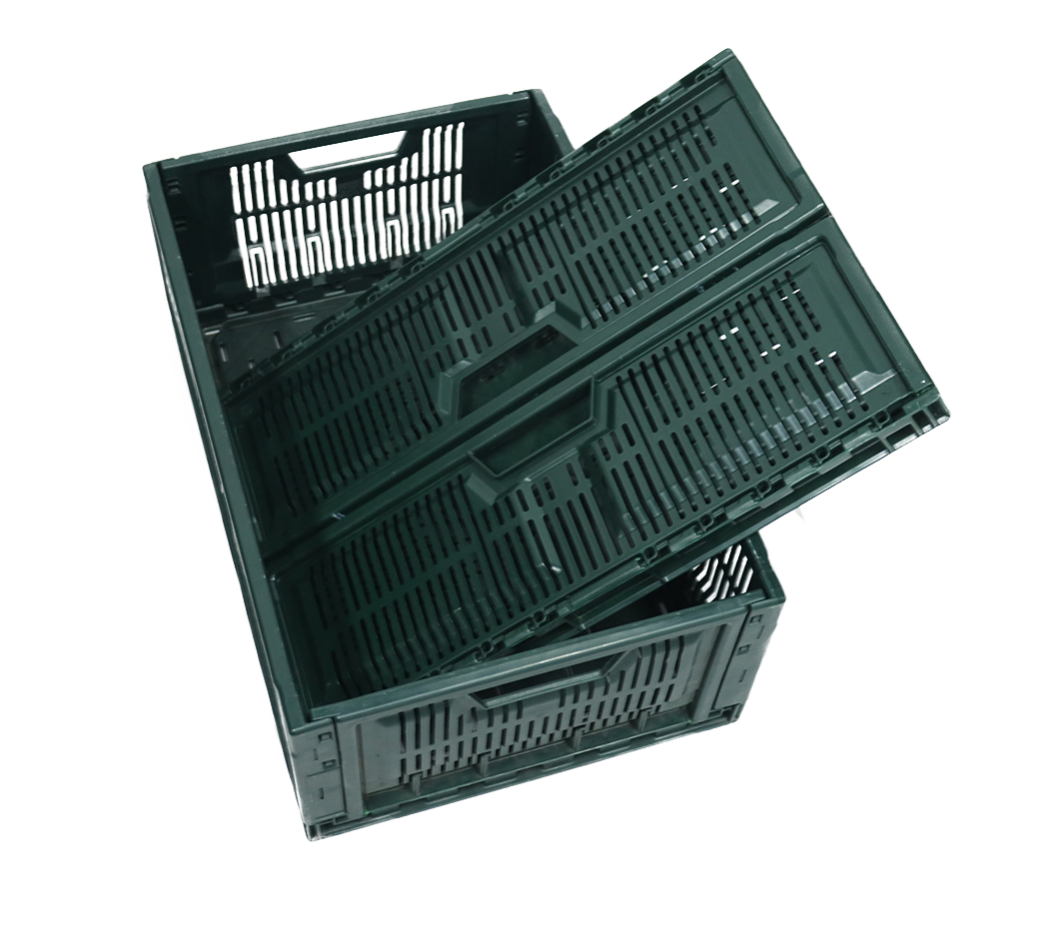
Beyond packaging selection, two major handling errors increase product damage:
Excessive Sorting & Middle-Mile Handling: Unnecessary sorting stops, frequent transit transfers, and repackaging en route exponentially raise the risk of merchandise damage.
Direct Physical Contact with Delicate Goods: Fragile produce—such as strawberries and cherries—suffers higher spoilage rates when subjected to excessive manual handling during transfers.
Minimizing cargo transit loss is a critical milestone toward comprehensive supply chain efficiency. By following standardized transportation practices and deploying engineered packaging, businesses can eliminate unnecessary damage without risking costly product replacements.
At MEEYA PACK, we specialize in high-performance logistics packaging solutions, delivering durable returnable plastic containers, collapsible sleeve packs, and heavy-duty pallet boxes designed to safeguard your cargo worldwide.