 English
  Spain
Spain  Deutsch
 GET A QUOTE


Maintaining stringent sanitary standards across supply chain operations requires strict control over material selection. In sectors with elevated hygiene requirements, such as food processing, pharmaceuticals, and precision manufacturing, traditional logistics equipment often fails to meet regulatory expectations. Engineered plastic packaging provides the ideal combination of material safety, durability, and operational cleanliness.
While wood and cardboard are common in general transit, they present severe contamination risks in high-hygiene applications. Organic materials like wood absorb moisture, creating breeding grounds for mold, bacteria, and pest infestation over repeated usage cycles. Furthermore, wood splinters and paper dust actively contaminate sensitive products.
Metal packaging solutions, such as steel storage cages, eliminate rot and pest issues. However, metal introduces distinct operational limitations. High electrical conductivity and magnetic properties make steel containers unsuitable for cleanroom electronics or sensitive medical equipment handling. Additionally, metallic surfaces can corrode over time, introducing rust particles into the handling environment.
High-density plastic logistics equipment solves these contamination challenges. Polymers are non-porous, moisture-proof, non-magnetic, and electrically insulating. These properties eliminate mold growth, pest harboring, and chemical degradation. Unlike wood or steel, plastic surfaces can be frequently washed, high-pressure hosed, or chemically sanitized without compromising structural integrity.
Because of these inherent traits, regulated industries naturally favor engineered plastics. Similar to how commercial food preparation transitioned from wooden surfaces to non-porous synthetic materials, modern logistics relies on plastic containers to maintain end-to-end sanitary integrity.
Plastic logistics equipment supports critical workflows across sensitive sectors:
Pharmaceutical Cold Chains: Durable plastic containers and sleeve pack systems provide clean, protective outer shells for temperature-controlled vaccine and pharmaceutical transport.
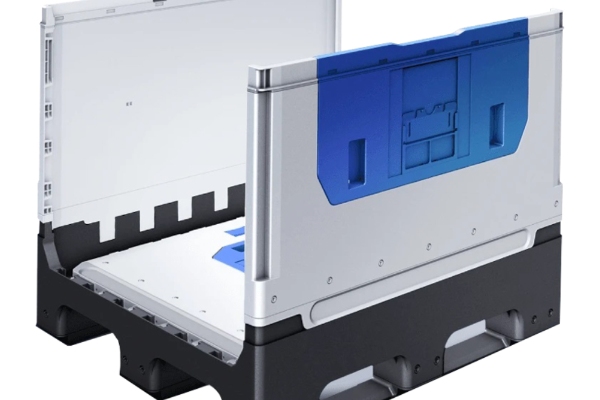
Bulk Liquid Handling: Collapsible plastic pallet boxes paired with sterile liquid liners deliver secure, contamination-free bulk transport for liquid pharmaceutical ingredients.
Food Processing and Agriculture: Heavy-duty plastic pallet boxes and ventilated crates safely transport raw produce, flour, and ingredients without absorbing odors or harboring pathogens.
Meeting strict food and pharmaceutical compliance requires precise raw material selection. High-hygiene packaging must be manufactured using certified food-grade Polypropylene (PP) or High-Density Polyethylene (HDPE). These materials offer superior impact strength, high thermal resistance, and total chemical stability, ensuring no toxic compounds transfer to the cargo.
Advances in polymer technology continue to elevate performance standards. Through closed-loop returnable systems, plastic packaging balances strict hygiene requirements with circular economy goals, providing a re-usable, eco-friendly alternative to single-use packaging.